Home › Common Problems › Concrete Sidewalk Trip Hazards
Concrete Sidewalk Trip Hazards
in Wilmington, NC
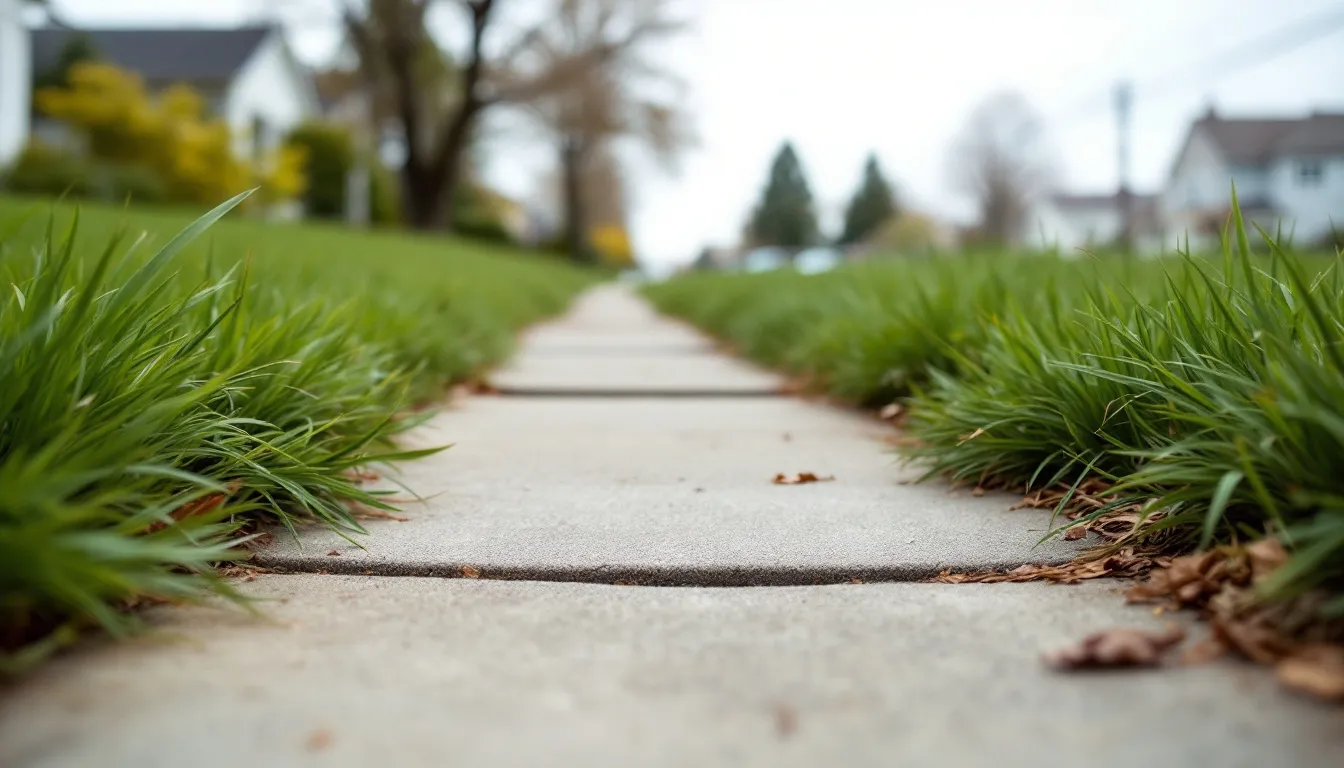
Uneven sidewalk panels are everywhere in older Wilmington neighborhoods like Forest Hills and Audubon, mostly because of tree roots and shifting sandy soil. A lip of even half an inch is enough to catch a foot and cause a fall, and in neighborhoods with a lot of foot traffic or elderly residents, that is a real safety problem. Left alone, the panel that has heaved keeps moving as the root grows.
Wilmington Concrete Repair Pros helps Wilmington, NC homeowners fix concrete sidewalk trip hazards — call for a free inspection.
Quick Answer
Sidewalk trip hazards happen when one concrete panel rises or sinks out of level with the one next to it. In Wilmington, tree roots and sandy soil shifting are the two main causes. Small height differences can be ground down or patched. Panels that have moved more than half an inch need to be lifted or replaced. If the sidewalk is in the city right-of-way in front of your property, call (910) 408-5690 to find out who is responsible before any work starts.
Telltale Signs
Warning Signs to Watch For
- A visible step-up or step-down between two sidewalk panels
- A crack running the length of a panel near the edge
- A panel that rocks when you step on it
- Visible root bump under or near the sidewalk
- Gravel or sand visible washing out from under a panel edge
Root Causes
What Causes Concrete Sidewalk Trip Hazards?
Tree Root Heave
Wilmington has a lot of mature street trees, especially live oaks and crepe myrtles in older neighborhoods. Their roots grow outward just below the surface looking for water, and when a root reaches under a sidewalk panel, it pushes the slab upward. The panel keeps moving as the root keeps growing.
The Fix
Root Pruning and Slab Lifting or Replacement
The panel is removed, the offending root is cut back, and a root barrier is placed before the panel is reset or a new one is poured. Without the barrier, the root grows back under the slab within a few years.
Soil Erosion Under Panel
Sandy soil washes out from under sidewalk panels during heavy rain, leaving a void underneath. Once the support is gone, the panel sinks on one end and tips up on the other, creating a raised edge. This is common along streets with poor curb drainage in areas like Wilmington's Northside.
The Fix
Foam Injection Lifting
Expanding foam is injected through small holes in the slab to fill the void and bring the panel back to level. The holes are patched and the repair is fast, usually done in a few hours.
Panel Edge Damage at Control Joint
Sidewalk panels are separated by control joints, which are intentional gaps that let the concrete move. When those joints fill with dirt and debris, the panels cannot move and instead push against each other, cracking and lifting at the edges. This is more common in panels from the 1970s and earlier that had shallow joints.
The Fix
Joint Resealing and Edge Repair
Debris is removed from the joint, the joint is refilled with a flexible sealant, and any crumbled edges are patched. If the damage is too severe, the affected panel should be replaced.
Self-Diagnosis
Which Cause Applies to You?
Check the signs you're observing to narrow down the likely root cause before your inspection.
| What You're Seeing | Tree Root Heave | Soil Erosion Under Panel | Panel Edge Damage at Control Joint |
|---|---|---|---|
| Visible root bump near or under the raised panel | |||
| Panel sinks when you step on the center of it | |||
| Crack running along the edge joint between two panels | |||
| One end of panel raised, opposite end flush or low | |||
| Sand or gravel visible under the panel edge |
Free Quote
Get a free quote in Wilmington
No obligation — tell us what's going on and we'll text you back shortly.
Other Problems
Services That Fix This
Concrete Sidewalk Trip Hazards Near You
Also Helpful