Concrete Repair Services › Concrete Basement Floor Repair
Concrete Basement Floor Repair in Wilmington, NC
Basement floors in Wilmington sit close to a high water table and deal with moisture moving up through the slab year-round. Cracks, heaving, and surface deterioration are common results. Repairing the concrete itself is separate from waterproofing — we handle the structural and surface issues with the slab, not the drainage or moisture systems behind the walls.
Wilmington Concrete Repair Pros provides concrete basement floor repair for homeowners across Wilmington, NC. Call for a free inspection and a written quote before any work begins.
When to Call
When You Need Concrete Basement Floor Repair
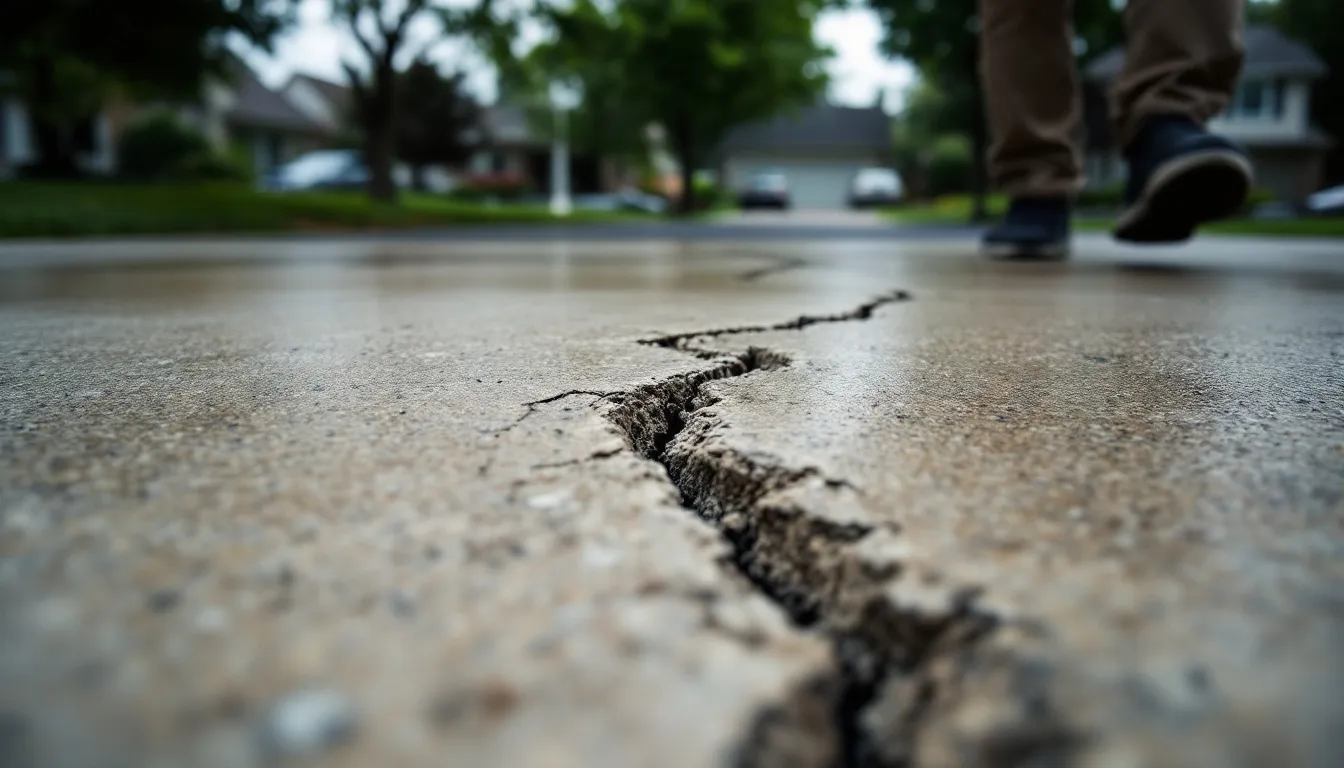
- Cracks in the basement floor have started letting moisture seep up through them
- A section of the floor has heaved upward and created an uneven surface
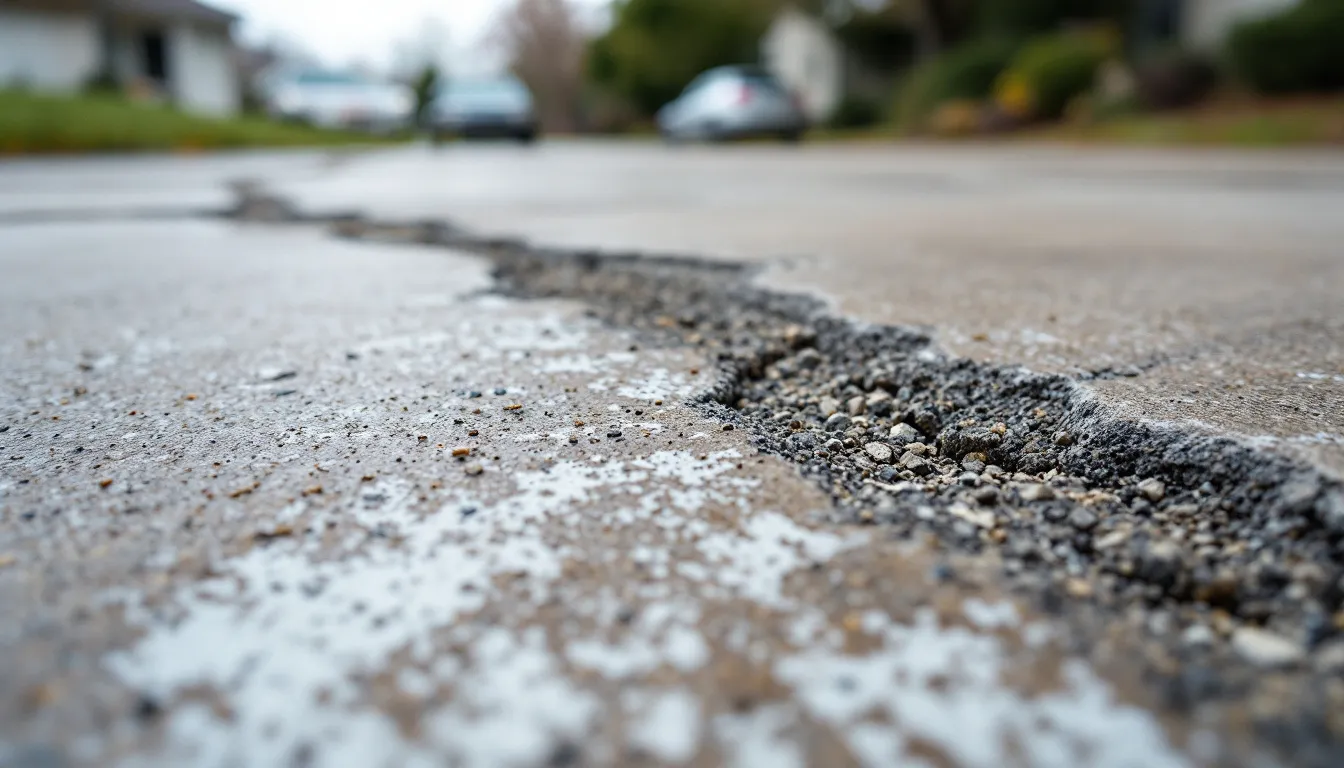
- The surface is flaking and leaving debris that tracked upstairs on shoes
- A crack has widened noticeably over the past year and keeps getting bigger
- Water damage has left the surface soft, pitted, or crumbling in spots
- Floor drains or low spots have caused the slab to deteriorate around them
How It Works
Our Process for Concrete Basement Floor Repair
- 1
Initial Assessment
We look at crack patterns, surface condition, and whether any areas have heaved or settled. Crack pattern tells us a lot about whether the cause is settling, moisture pressure, or shrinkage.
- 2
Moisture Check
We assess whether active moisture is coming through the slab. Repairing concrete over active water intrusion without acknowledging it is a short-term fix. We tell you what we see.
- 3
Surface and Crack Prep
Damaged surface material gets ground or chipped away. Cracks get opened to a consistent profile so fill material can bond properly rather than just sitting on top.
- 4
Crack Injection or Fill
Depending on crack width and whether moisture is present, we use either a rigid epoxy injection or a hydraulic cement compound for cracks showing active moisture movement.
- 5
Surface Repair
Deteriorated surface areas get a repair mortar appropriate for below-grade conditions. Standard patching mortars don't hold in wet environments — the material selection matters here.
- 6
Documentation and Recommendations
We note what we repaired, what we observed about moisture, and whether there are conditions outside our scope — like drainage or wall leaks — that the homeowner should address separately.
What's included
- Full basement floor assessment including crack mapping and heave identification
- Honest evaluation of active moisture before any repair material is selected
- Mechanical prep on all repair zones including crack opening and surface grinding
- Epoxy injection or hydraulic cement fill depending on moisture conditions present
- Below-grade repair mortar on deteriorated or spalled surface sections
- Written notes on what was found and what falls outside our repair scope
What's not included
- Waterproofing systems, interior drains, or sump pump installation — those are separate trades
- Structural wall crack repair or any work on basement walls and footings
- Floor leveling or self-leveling overlays over large areas — quoted separately if needed
Real Situations
Common Scenarios in Wilmington
A homeowner in midtown Wilmington has a 1960s ranch house with a basement that has several long cracks in the floor and gets a thin film of moisture after heavy rain.
We map all the cracks and check for active moisture movement. Cracks that are dry and stable get epoxy fill. Cracks showing moisture get hydraulic cement. We're upfront that the moisture source itself — likely hydrostatic pressure from the water table — is outside our scope and may need a waterproofing contractor to address fully.
A homeowner near the University of North Carolina Wilmington campus has a basement with a section of floor that has heaved about an inch near the center of the room.
Heaving usually means soil expansion or root intrusion below the slab. We determine if the heave is active or stable before recommending anything. A stable heave can often be ground flush and repaired at the surface. An active one needs the cause addressed first, and we say so plainly rather than patch over a moving problem.
A property manager in Castle Hayne has a rental home with a basement floor that has widespread surface deterioration — soft, crumbling spots across roughly a third of the floor.
Widespread soft surface usually means the slab was poured in wet conditions or moisture has been working on it for years. We grind off the degraded layer across all affected areas and apply a below-grade mortar repair. We also check whether the deterioration pattern points to a specific moisture entry point that should be addressed before the new surface is applied.
Wilmington Context
Why this matters in Wilmington
Wilmington's water table is high, and many older homes in areas like Sunset Park, Carolina Place, and along the Cape Fear River corridor have basements that fight moisture year-round. The region's clay and sandy soil mix doesn't drain uniformly, so hydrostatic pressure under basement slabs is common after the heavy rains that come with Atlantic storm systems. Homes built before 1980 rarely had adequate vapor barriers under the slab.
Straight Talk
About pricing & scope
Basement floor repairs are harder to estimate without seeing the space. Moisture complicates material selection and sometimes means a repair needs to be staged — address the water first, then the concrete. Scope can shift if we open a crack and find it's more active than it appeared. We walk you through any changes before continuing.
What This Fixes
Problems We See in Wilmington
More Concrete Repair Services
Concrete Basement Floor Repair Near You