Concrete Repair Services › Mudjacking Service
Mudjacking Service in Wilmington, NC
Mudjacking lifts sunken concrete by drilling small holes through it and pumping a slurry of cement, soil, and water underneath until the slab rises back to its original position. It's used when the concrete itself is in decent shape but the soil underneath has washed out, compressed, or shifted. The alternative is tearing out and replacing the slab, which costs more and takes longer.
Wilmington Concrete Repair Pros provides mudjacking service for homeowners across Wilmington, NC. Call for a free inspection and a written quote before any work begins.
When to Call
When You Need Mudjacking Service
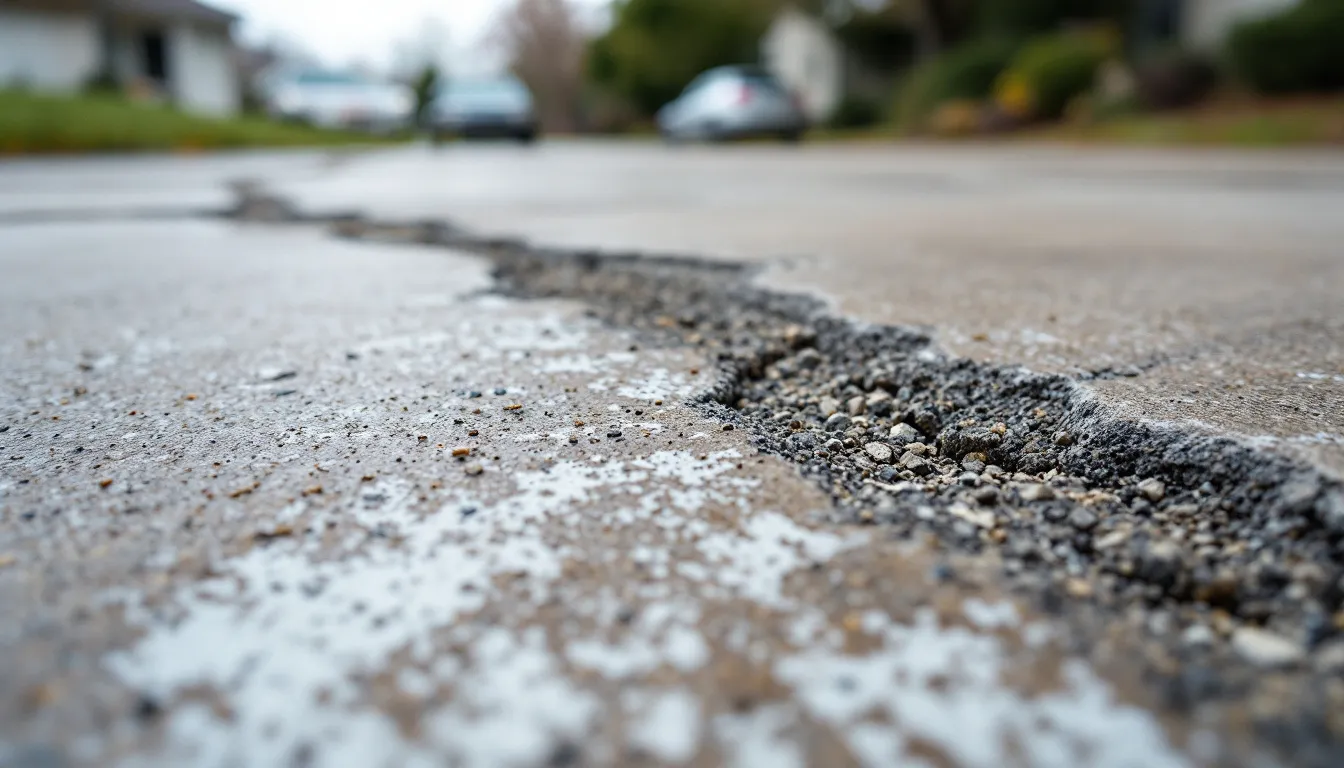
- A section of your driveway has dropped and now sits lower than the next panel
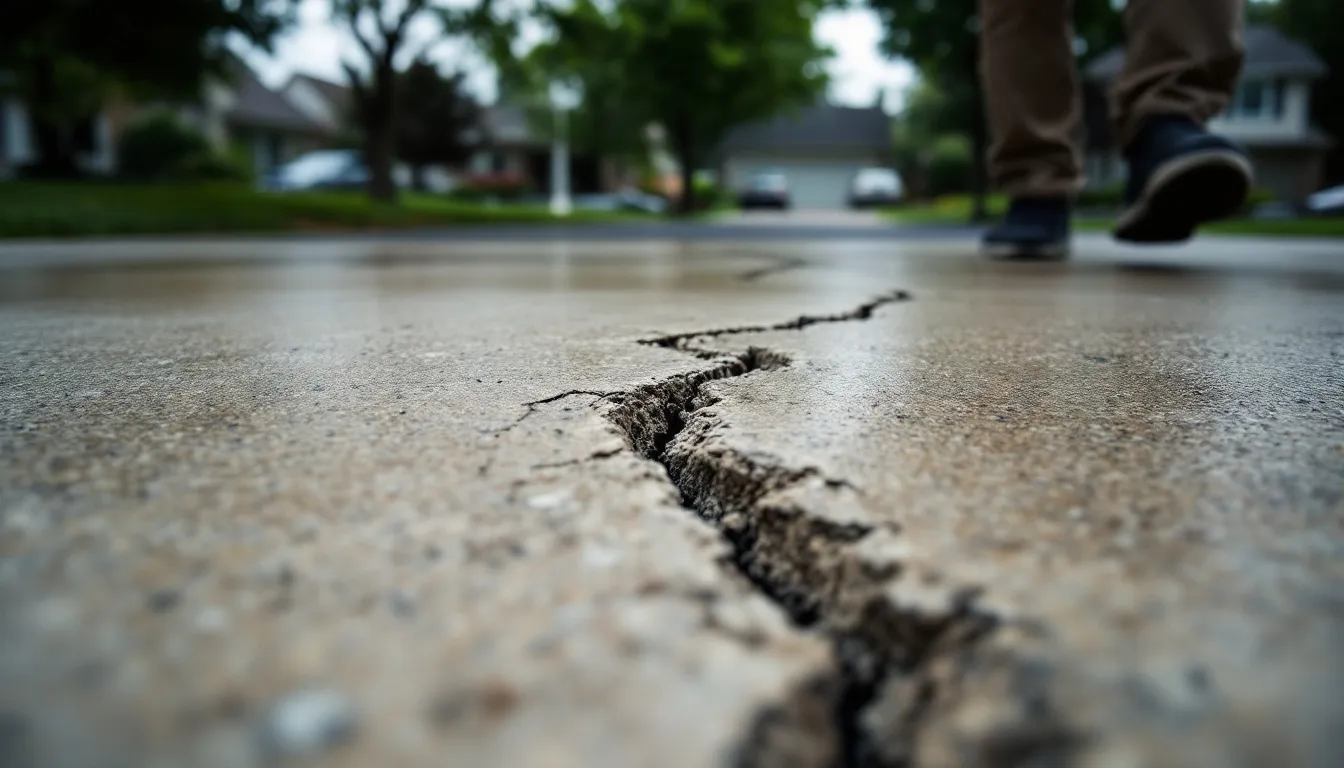
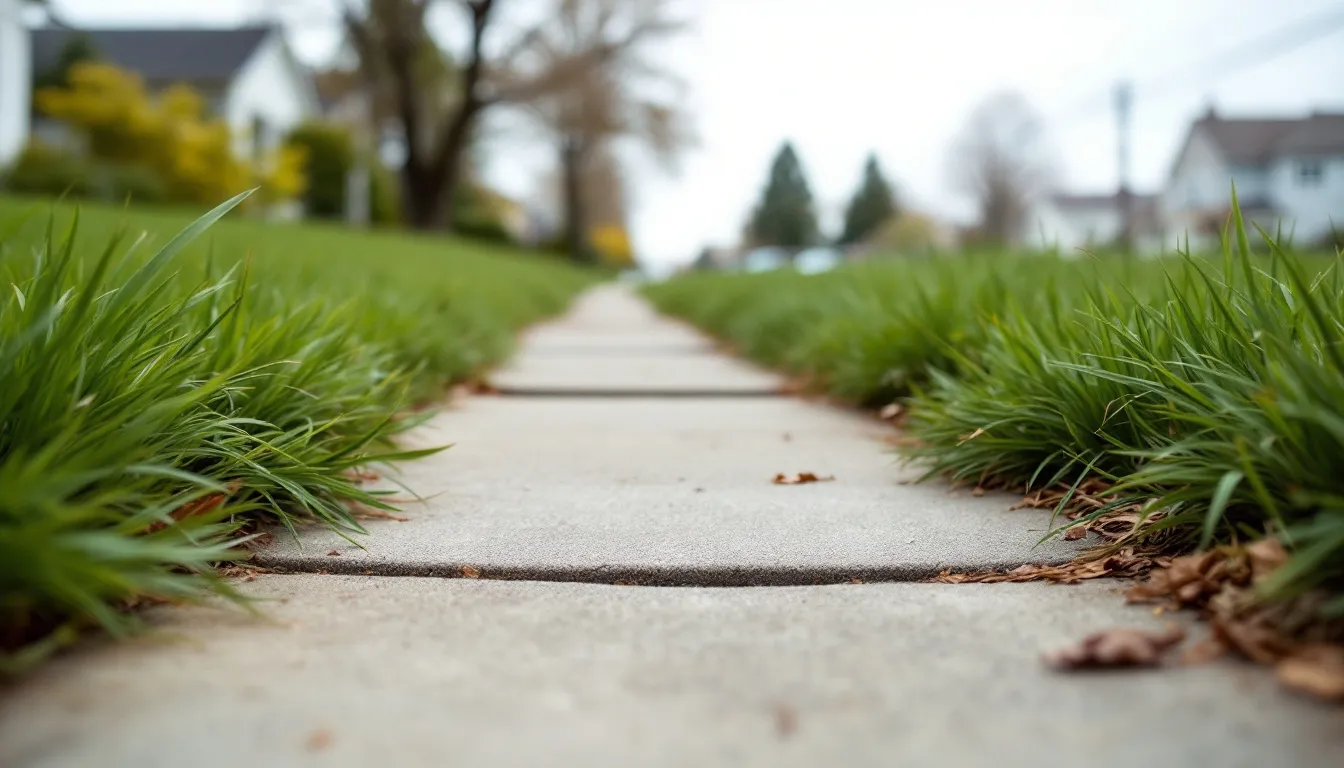
- Your front sidewalk has a raised or sunken panel that's become a trip hazard
- The concrete apron in front of your garage has tipped toward the door
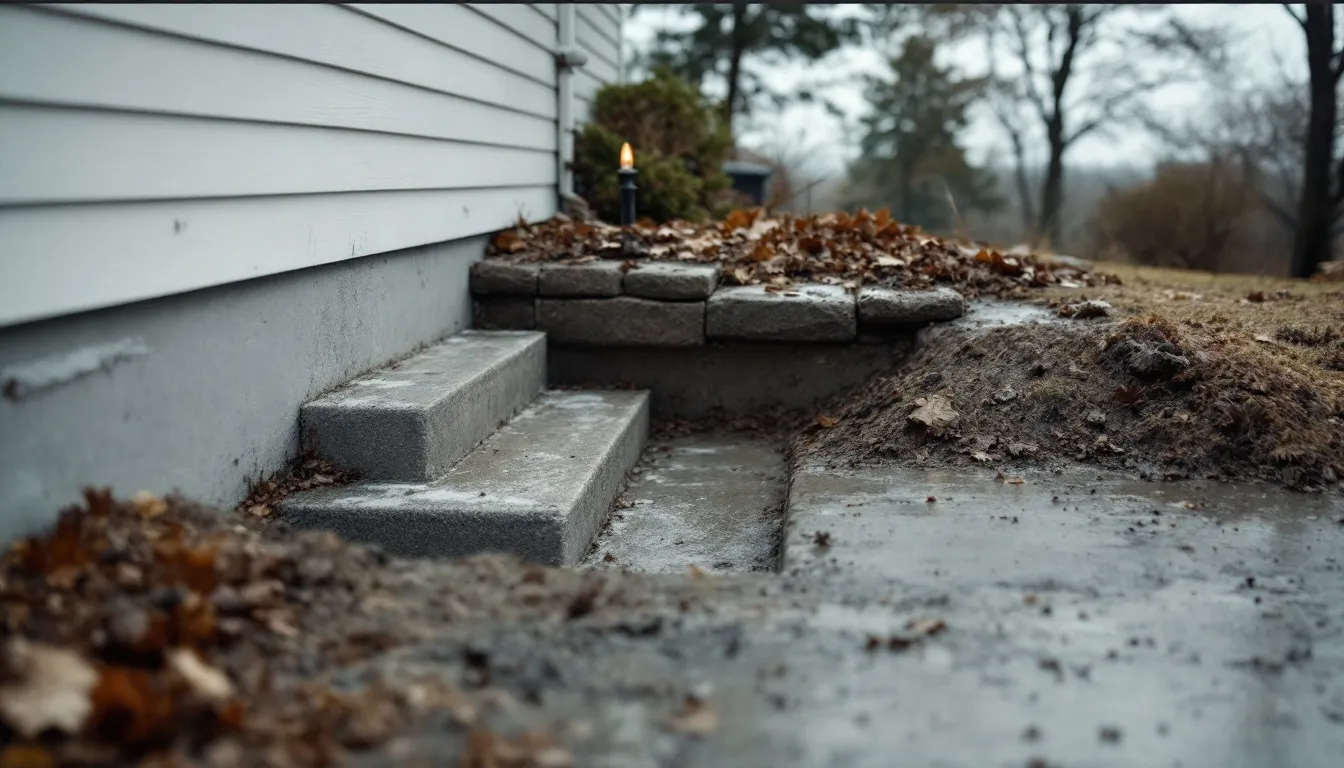
- Steps have settled away from the house and left a gap at the top riser
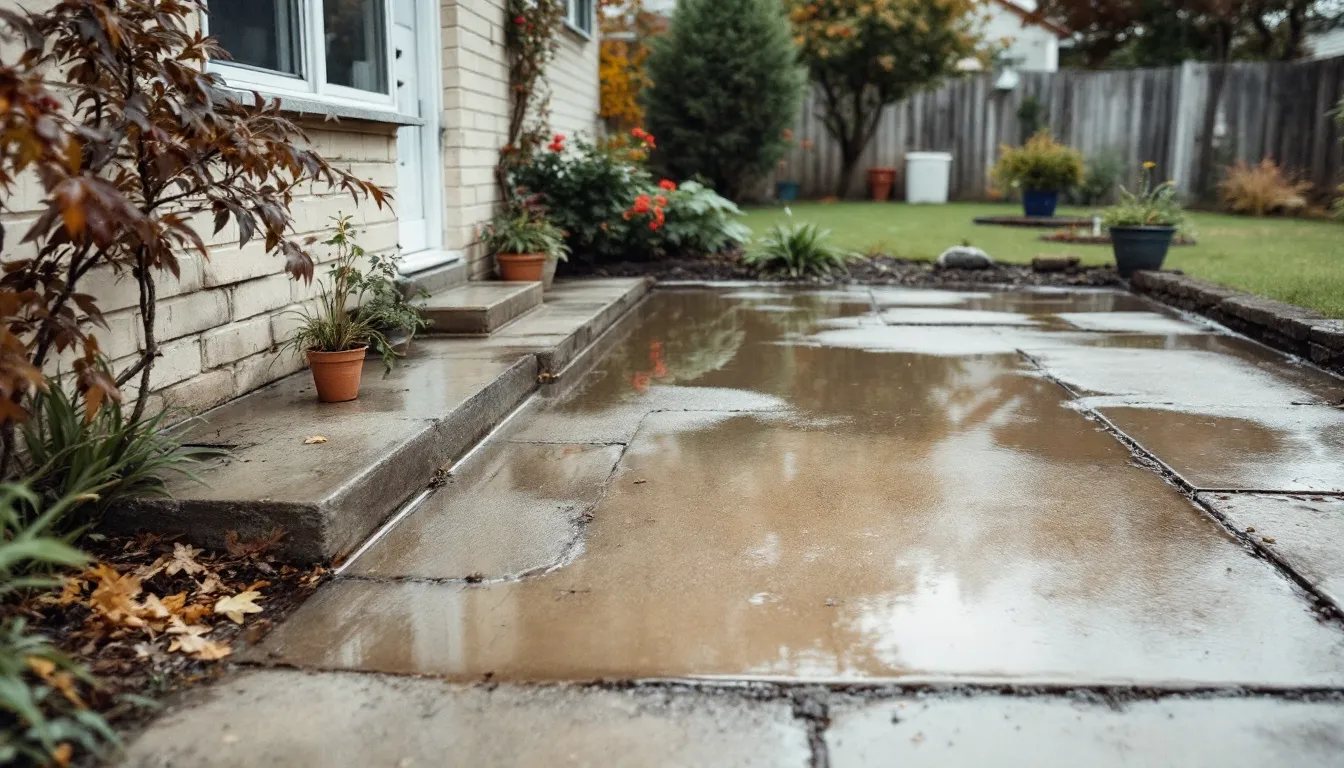
- A patio slab near the house has sunk and is now directing water toward the foundation
- Your pool deck has panels that have dropped unevenly around the perimeter
How It Works
Our Process for Mudjacking Service
- 1
Site Evaluation
We look at how much the slab has dropped, where the voids are likely located, and what caused the settlement — poor fill, erosion from drainage, organic material decomposition, or utility trenches. Cause matters for knowing where to drill.
- 2
Drilling the Injection Holes
We drill holes through the slab — typically 1.5 to 2 inches in diameter — positioned over the voids. Hole placement is based on experience with where material needs to go, not just a grid pattern.
- 3
Slurry Mixing
The grout mix is prepared on-site. We adjust the mix for soil conditions and the weight of the slab being lifted. Too thin and it washes out. Too stiff and it won't pump or fill properly.
- 4
Pumping and Lifting
Slurry is pumped under pressure through each hole. We monitor the lift with a level as we go — this isn't a one-shot process. We move between holes to lift the slab evenly and avoid over-lifting one end.
- 5
Patching the Holes
Once the slab is at grade, the drill holes get patched with a cement mix. The patches will be visible — we don't try to hide them and we won't tell you otherwise.
- 6
Final Level Check
We check the slab level, joints, and any adjacent structures before leaving. We walk you through cure time for the patches and when you can put vehicle weight back on the slab.
What's included
- On-site assessment of settlement cause and slab condition before drilling
- Drilling, pumping, and lifting to return the slab to approximate original grade
- On-site slurry mixing adjusted for local soil and slab load conditions
- Cement patching of all drill holes after lifting is complete
- Final level verification and joint inspection after lift
- Guidance on cure time before vehicle or heavy foot traffic resumes
What's not included
- Repair of cracks or surface damage caused by or existing before settlement
- Correction of drainage issues that caused the voids in the first place
- Lifting slabs that are structurally cracked or broken into multiple pieces
Real Situations
Common Scenarios in Wilmington
A homeowner in Wilmington's Sunset Park neighborhood has a driveway panel that dropped about two inches after a wet winter, leaving a sharp edge at the joint.
We probe around the sunken panel to estimate void size and location. If the slab is otherwise intact, mudjacking is a good fit. We drill, fill, and lift to close the height difference at the joint. The edge won't be perfectly flush — we can typically get within a quarter inch — and we tell people that before we start.
A homeowner near the UNCW area has concrete steps that have pulled away from the house by almost two inches at the top and dropped at the front.
Steps are trickier than flat slabs — the geometry matters and we can't always get them perfectly back to original position. We assess whether the steps are cracked or just settled as a unit. If they're solid, we lift from underneath and stabilize. We walk through realistic expectations for the outcome before drilling.
A family in Hampstead has a backyard patio slab with one corner that's dropped noticeably after several seasons of erosion from a nearby drainage swale.
We lift the corner back to level. We also tell the homeowner that if the drainage issue isn't corrected, the soil will continue to erode and the slab may settle again. We can do the mudjacking, but we're honest that it's treating the symptom if the water problem stays.
Wilmington Context
Why this matters in Wilmington
Wilmington is built on sandy coastal soils that don't compact the way clay-heavy soils do. Voids form quickly when water moves through the ground — and with the rainfall this area gets, that happens often. New Hanover County has a lot of subdivisions from the 1990s and 2000s where fill was placed under slabs without proper compaction, making settled concrete a common call around here.
Straight Talk
About pricing & scope
Cost is based on the number of holes needed and the volume of material pumped — both of which depend on void size, which we can't fully know until we're pumping. Larger voids take more material and more time. We give you our best estimate upfront and talk to you if conditions in the field change the scope.
What This Fixes
Problems We See in Wilmington
More Concrete Repair Services
Mudjacking Service Near You