Concrete Repair Services › Concrete Spalling Repair
Concrete Spalling Repair in Wilmington, NC
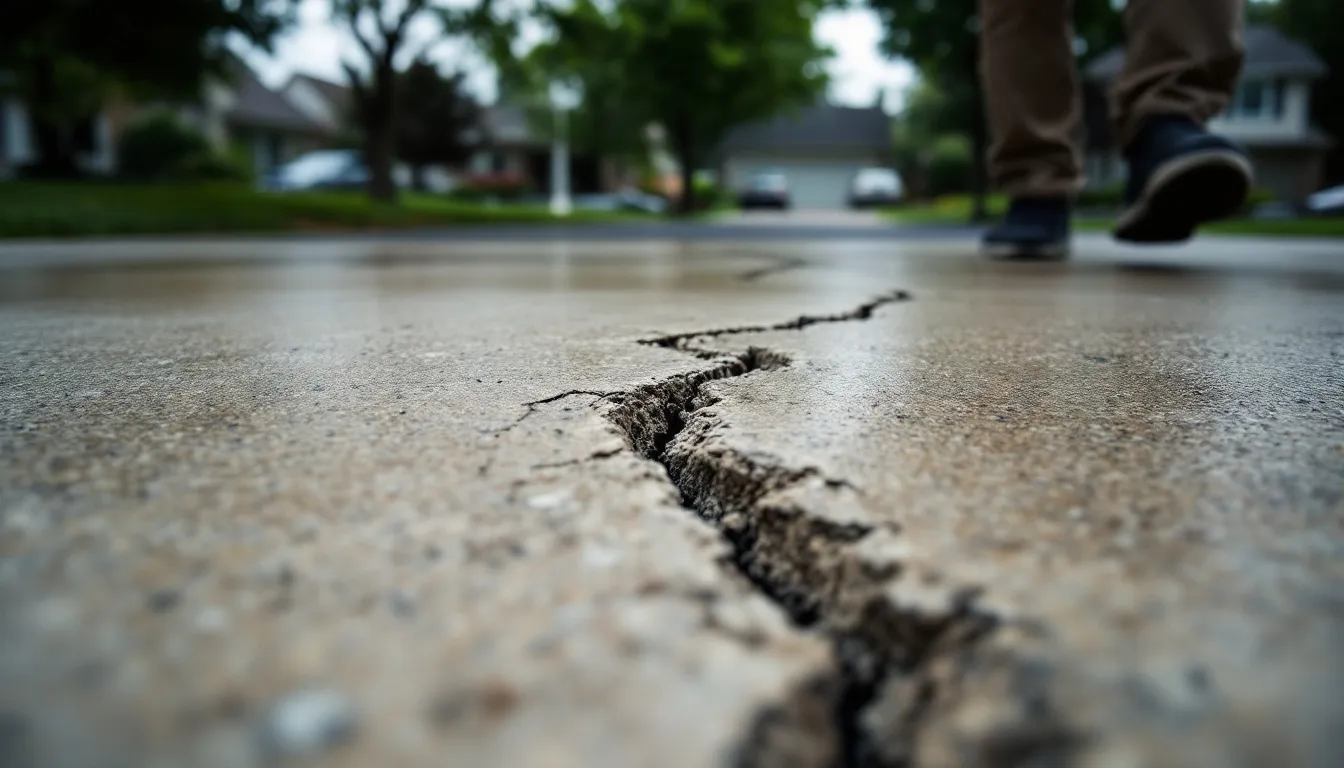
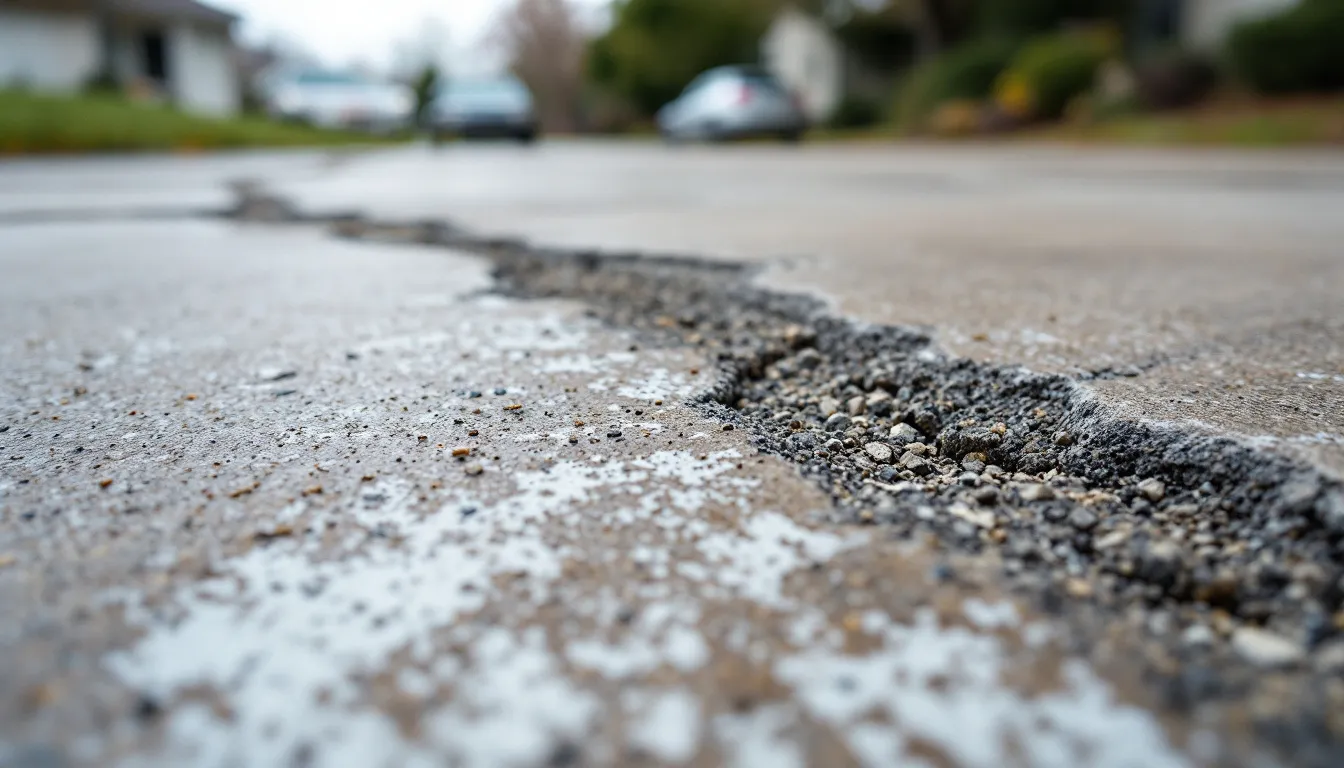
Spalling is what happens when the surface layer of concrete separates and breaks off — leaving behind a rough, pitted, or cratered appearance. It's caused by moisture getting into the slab and either freezing, causing corrosion of embedded rebar, or reacting with salts. The repair approach depends on how deep the damage goes and what caused it.
Wilmington Concrete Repair Pros provides concrete spalling repair for homeowners across Wilmington, NC. Call for a free inspection and a written quote before any work begins.
When to Call
When You Need Concrete Spalling Repair
- Chunks of concrete are breaking off your driveway surface and leaving potholes
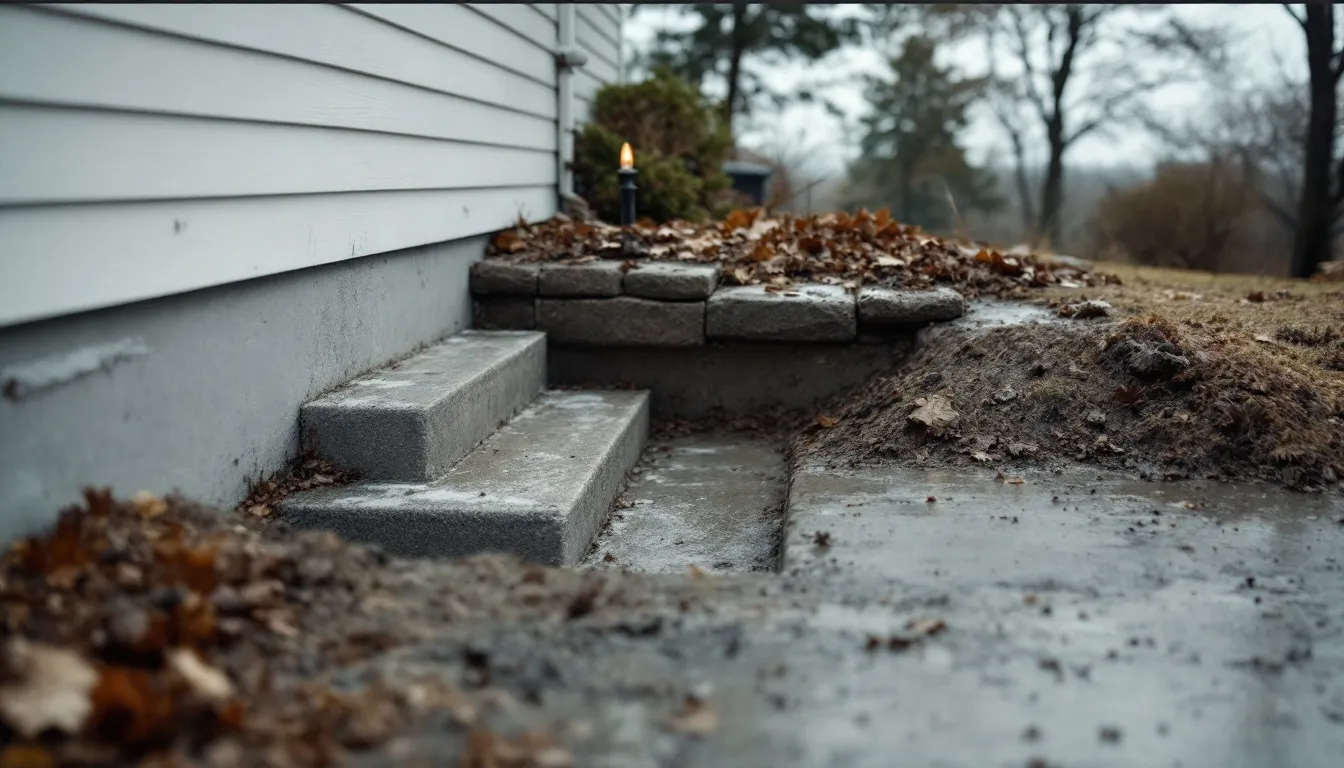
- Your front steps have a flaking surface that's getting worse each year
- Rebar is starting to show through the surface of a spalled area
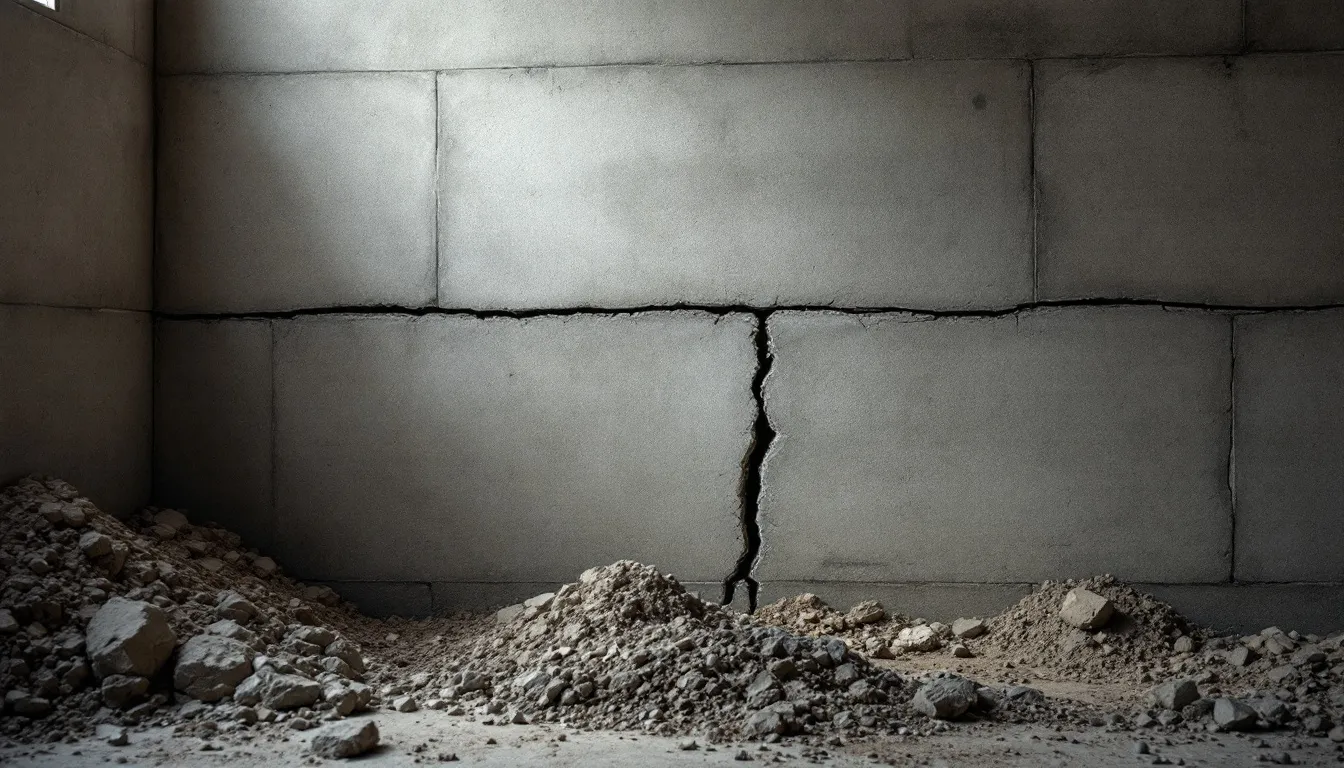
- A retaining wall face is popping off in layers and looking hollow when tapped
- Your pool coping has pitting and flaking from years of chemical exposure
- A carport slab has large areas where the top layer has completely lifted off
How It Works
Our Process for Concrete Spalling Repair
- 1
Depth and Cause Assessment
We tap and probe the spalled areas to find hollow spots and check how deep the damage runs. Shallow surface spalling is handled differently than deep spalling near rebar. We also look for what caused it — drainage, rebar cover, original mix quality.
- 2
Demo and Removal
Loose and delaminated material gets removed completely. We don't skim over hollow areas — any material that's not bonded comes out before new material goes in. This sometimes reveals the damage is larger than it looked.
- 3
Rebar Treatment
If rebar is exposed, it gets cleaned of rust and treated with a corrosion inhibitor before being covered. Skipping this step means the corrosion continues under the patch and the repair fails within a few years.
- 4
Profile and Bonding
The repair area gets profiled to hold the patch material — flat, shallow repairs don't bond well. A bonding agent is applied to the cleaned concrete before patching material goes in.
- 5
Patching and Finishing
Patching material is applied in lifts if the area is deep, matching the texture of the surrounding surface as closely as possible. Deep repairs need to be built up in stages rather than filled all at once.
- 6
Cure Monitoring
The patch needs to cure without drying too fast — in Wilmington's summer heat, that means shading or damp curing. We discuss cure time with you before leaving the site.
What's included
- Full tap-and-probe assessment to find the real extent of the damage
- Complete removal of all delaminated and hollow concrete before patching
- Rebar rust treatment and corrosion inhibitor where rebar is exposed
- Bonding agent application to ensure patch adhesion to existing concrete
- Patching material matched for strength and surface texture
- On-site cure guidance and timeline for returning the surface to use
What's not included
- Color matching to weathered or stained surrounding concrete surfaces
- Waterproofing or sealer application to prevent future spalling recurrence
- Structural repairs to sections with rebar failure over large areas
Real Situations
Common Scenarios in Wilmington
A homeowner near Wilmington's historic district has a concrete porch floor where chunks keep breaking off each spring, worsening over five years.
We assess whether this is surface spalling from moisture and age or deeper delamination. Older porches in this area were often poured with low rebar cover, so we check carefully. We remove all loose material, treat any rebar, and patch with a polymer-modified mix that bonds well to old concrete. We're upfront that the patch will be visible.
A homeowner in Porters Neck has a driveway with a large spalled section near a downspout that dumps directly onto the slab.
We repair the spalled area but we also tell the homeowner directly that the downspout is likely contributing to the damage. If the water source doesn't change, the repair area may spall again. We can patch it, but we make sure they understand the root cause isn't just the concrete.
A property owner in Wilmington's South Side has a parking slab with exposed rebar in two spots where the spalling is actively getting larger.
Exposed rebar expands as it rusts, which is what's driving the spalling outward. We remove material until we reach solid concrete, clean and treat the rebar, then build the repair back up in layers. If the rebar shows significant section loss, we discuss whether the structural capacity is affected before patching.
Wilmington Context
Why this matters in Wilmington
Wilmington's coastal humidity means concrete is almost never fully dry. That constant moisture cycling accelerates the freeze-thaw damage that causes spalling — and while hard freezes are rare, Wilmington does get them. Salt from ocean air also attacks concrete surfaces over time. Homes within a few miles of the water, especially in Carolina Beach and Wrightsville Beach, tend to show spalling earlier than inland properties.
Straight Talk
About pricing & scope
Spalling repairs are priced by the area and depth of damage — but those numbers change once we start removing loose material and see what's underneath. It's common to find more hollow concrete than the surface suggested. We stop and update you on scope before adding work. Rebar involvement always adds time and material cost.
What This Fixes
Problems We See in Wilmington
More Concrete Repair Services
Concrete Spalling Repair Near You